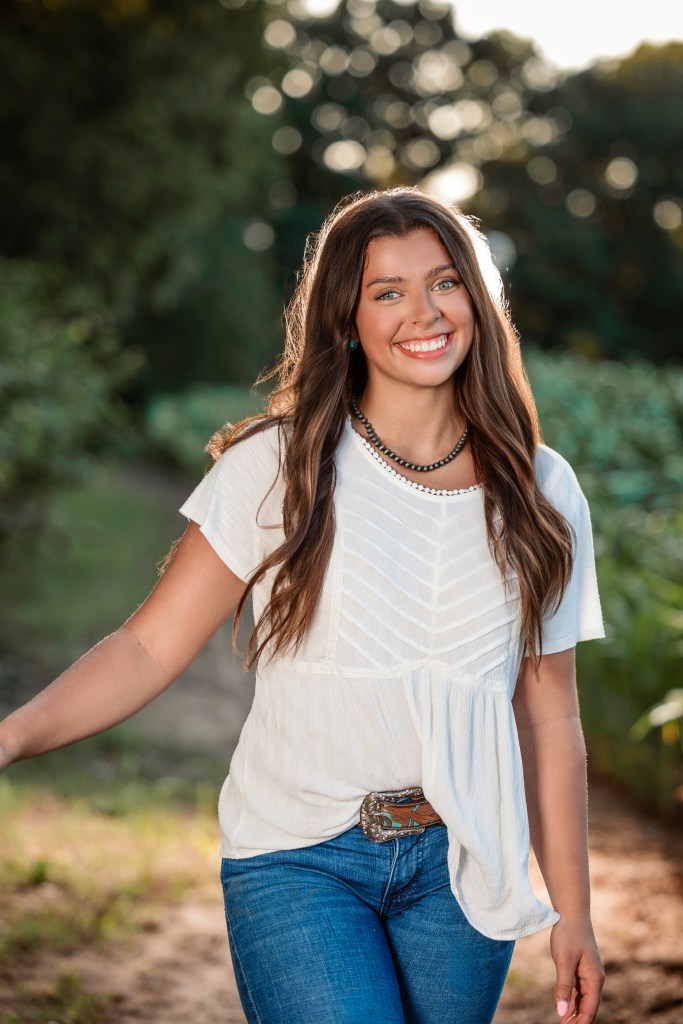
One of the most common questions I get about senior photos is how long it will take to receive the final gallery. Senior year is packed with deadlines, announcements, crazy schedules, and a lot of moving pieces. Waiting months for photos can quickly turn an exciting experience into a frustrating one.
That’s why I offer a two-week turnaround for senior sessions. It’s not about rushing or cutting corners. It’s about having a workflow that’s been carefully built over time so families can enjoy their images while the moment still feels fresh.
Fast Does Not Mean Rushed
A fast turnaround doesn’t happen by accident. It happens because I’ve spent years fine-tuning my editing process. I don’t just edit my own work. Other photographers trust me with theirs too, which means I’ve seen just about everything come across a screen. That level of trust comes from consistency, attention to detail, and knowing when to step in and when to leave things alone.
II’ve invested a lot of time and money into learning how to edit in a way that looks natural, polished, and consistent across an entire gallery. That level of consistency matters, because it allows me to move through images with confidence instead of second-guessing every decision.
When you know your style, your standards, and your workflow, editing doesn’t stall. Images move forward with intention. That’s how a two-week turnaround stays realistic without sacrificing quality.
What a Two-Week Turnaround Looks Like
A two-week turnaround doesn’t mean you’re left wondering what’s happening behind the scenes. It means clear expectations from the start and consistent communication along the way. After your senior session, your images move straight into my editing workflow. They’re not sitting in a backlog waiting for “someday.”
Within the first week, you’ll usually receive a small sneak peek unless you tell me you’d rather wait for the full gallery. It’s a chance to see a few favorites right away and get excited while the rest of the images are being finalized.
Within two weeks, you’ll receive your full, carefully edited gallery. Every image is reviewed and refined with the same level of care, whether it’s your senior’s favorite close-up or a candid moment you didn’t even realize I captured.
Most importantly, you get to enjoy the photos while this season still feels current. Announcements, yearbooks, graduation parties, and sharing with family don’t have to be rushed or delayed. The images are ready when you’re ready to use them.
Why Timing Is Part of the Experience
A two-week turnaround isn’t about speed for the sake of speed. It’s about experience, intention, and respect for the season you’re in. I’ve spent years building a process that allows me to deliver images quickly and thoughtfully, without sacrificing quality or authenticity.
Senior year moves fast. These photos should be something you get to enjoy now, not something you’re still waiting on long after the moment has passed. When you book a senior session with me, you’re not just booking a photographer. You’re booking someone who understands the balance between art and efficiency, detail and trust, polish and personality.
If you’re looking for senior photos that feel natural, elevated, and ready when you actually need them, I’d love to work with you.
Just for Fun | The Tools Behind the Photos
For anyone who loves the behind-the-scenes details, here’s a peek at what I’m usually working with during senior sessions.
On location, I’m typically shooting with a Canon R6 Mark II, paired with my go-to lenses.While I love my 50mm and 85mm L Series lenses, my go-to is the Canon 70–200mm f/2.8 L Series. Shooting at longer focal lengths lets me create beautifully soft backgrounds with a sense of depth that makes portraits feel rich and three-dimensional. All of it lives in my Kamrette bag, which is basically my mobile office.
If lighting is needed, I use Westcott FJ400 strobes with a variety of modifiers, depending on the look and the location.
Editing happens at home on a Dell computer that my husband assures me is very fast. I believe him. I edit on a 32-inch monitor, which makes it much easier to catch the little details that matter.
My workflow includes Aftershoot for culling, followed by Adobe Lightroom, Adobe Photoshop, and Evoto. Each program plays a role in keeping my editing efficient, consistent, and polished while still feeling natural.
None of this replaces experience or connection, but it does support the process that allows me to deliver images quickly and thoughtfully.


Leave a comment